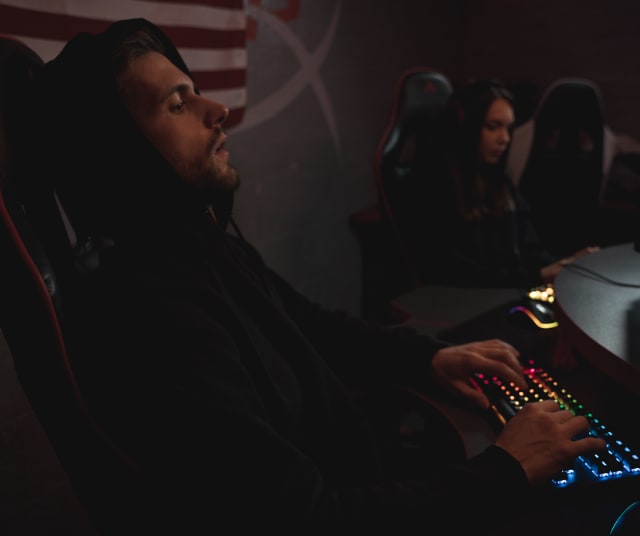
Plenty of parents feel behind before the conversation even starts. The games move fast, the slang shifts, and the risks sound alarming when they surface in the news. That worry often hardens into a ban or a shrug, and neither keeps a child safer. The steadier path is a conversation you can actually sustain, one that treats gaming as part of your child’s life rather than a threat to be managed.
Start from where your child already is
Gaming is not a fringe activity you can wait out. Across OECD countries, 96% of 15-year-olds report browsing social networks and 83% report playing video games. Your child is almost certainly inside these spaces, forming friendships and spending real attention there.
That fact reframes the goal. The aim is not to keep your child out of games, which is neither realistic nor kind, but to be a person they will come to when something goes wrong. A parent who bans first tends to be the last to hear about a scam or a nasty message. Curiosity works better than control. Ask which game they are into, who they play with, what they love about it. The safety conversation lands more easily once your child believes you are genuinely interested rather than gathering evidence.
Name the specific risks, calmly
Vague warnings about “the internet” slide off. Specific ones give your child something to recognise in the moment. Three areas are worth naming plainly.
- Scams and account theft. Strangers offer free items, currency or giveaways to harvest logins. BCG reported that 72% of children surveyed had experienced at least one online threat, so this is common ground, not a rare disaster.
- Money and purchases. Spending inside games can happen fast and quietly. Ofcom found that around one in five gamers who made purchases using someone else’s money said they did so without permission, which makes an open agreement about spending worth having early.
- Harassment and pressure. Chat can turn hostile, and the pressure to keep playing or to spend can weigh on a child who does not want to say no.
Keep the tone level. A child who senses panic will tell you less, not more. The goal is a shared vocabulary, so that when a fake link or a cruel message appears, your child already has a name for it and a reason to mention it.
Watch the newer habits, including AI
The gaming conversation now overlaps with how children handle emotion and decisions online, and AI has entered that space quickly. Save the Children reported that around 42% of surveyed Italian adolescents said they turn to AI for advice when making important decisions, and a similar share said they use AI when feeling sad or anxious.
That finding is worth sitting with. A child who leans on an AI companion when low may be doing so instead of turning to a person. You do not need to forbid these tools to stay involved. Ask what your child uses them for, and make clear that you are available for the hard questions too. The point is not to compete with a chatbot, but to remain one of the trusted voices your child can reach.
None of this depends on you becoming an expert player. It depends on staying in the conversation as your child grows, adjusting the questions as the games and the risks change. A parent who listens without panic, names the real dangers, and keeps the door open does more for a child’s safety than any single rule. Safe play is built one ordinary conversation at a time.